

Last updated: May 2026
Your token launch is next week. The smart contract is deployed, the website looks sharp, and your Telegram channel has 3,000 members. Then someone asks: “Why should we trust you?” The question stops you cold.
This isn’t theoretical. In the cryptocurrency market, where projects raise millions based on promises rather than products, credibility is your most valuable asset. More valuable than your token distribution schedule. More important than your roadmap. According to industry analysis, projects with established credibility see investor retention rates 4-6x higher than those without verification mechanisms.
The challenge is real. Every week, users lose funds to rug pulls. Every month, another project disappears. The market has become skeptical by necessity. But this creates opportunity. Projects that master crypto project credibility building stand out dramatically in a sea of anonymous teams and vague promises.
This guide covers nine proven strategies that separate legitimate projects from the noise. These aren’t theory. They’re the specific tactics DeFi protocols, Layer 1 chains, and successful token launches use to build trust systematically. No fluff about “being transparent” without explaining how. Just actionable frameworks backed by real data.
What You Need Before Building Credibility
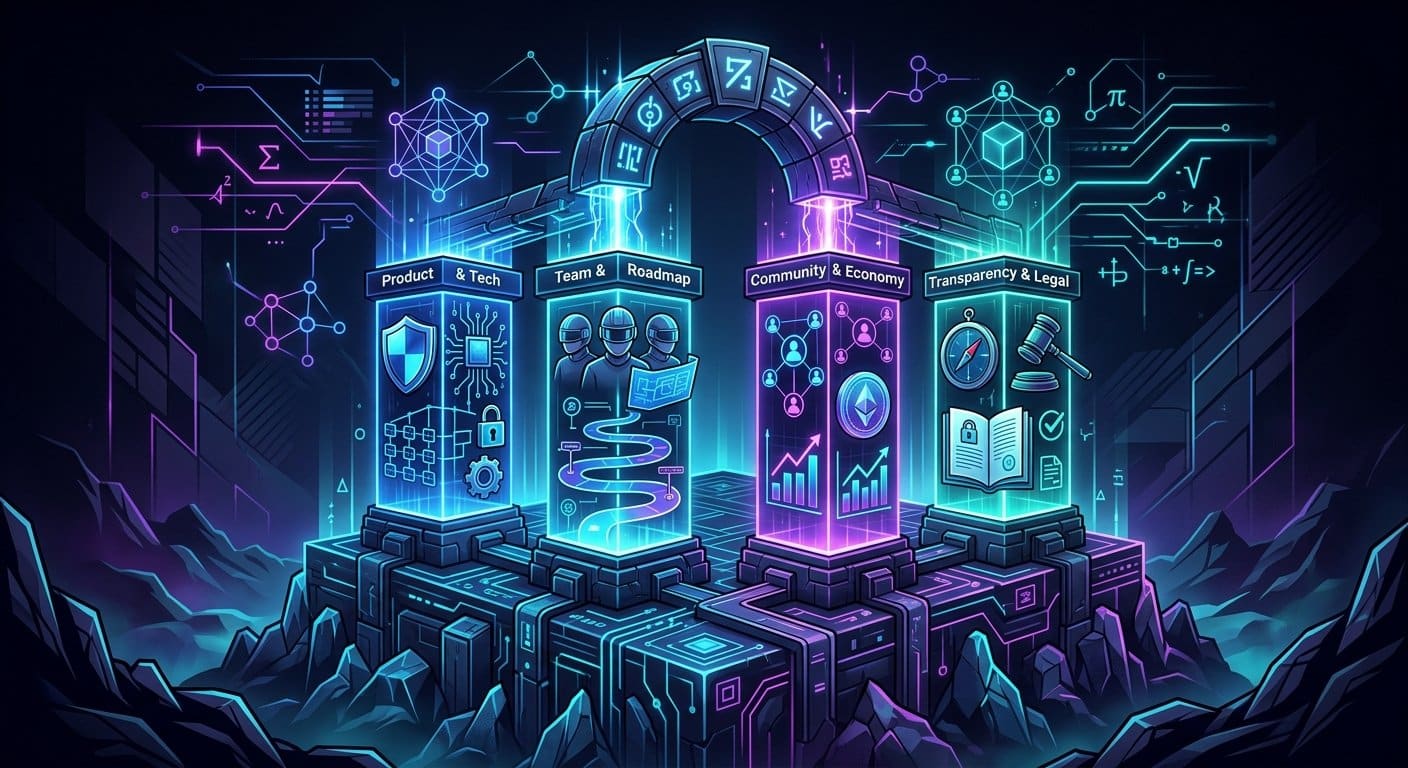
Before diving into specific credibility strategies, understand that trust isn’t built overnight. Projects need foundation elements in place first.
You need a live product or testnet, not just a concept. Investors have seen too many ideas that never shipped. You need clear tokenomics documentation, not just “coming soon” placeholders. You need at least one team member willing to be publicly identifiable.
Without these basics, credibility tactics won’t help. You can’t audit a contract that doesn’t exist. You can’t verify a team that’s entirely anonymous. You can’t demonstrate compliance with regulations you haven’t researched.
The minimum viable credibility package includes: testable code, documented team structure, clear use case documentation, and initial security review. Everything else builds on this foundation.
Budget matters too. Basic credibility measures cost $8,000-$25,000 for a legitimate audit, KYC verification, and legal review. Mid-tier projects allocating $50,000-$150,000 can add comprehensive security testing, regulatory consultation, and professional PR documentation.
1. Conduct Third-Party Smart Contract Audits
Smart contract audits from reputable firms provide immediate credibility. This isn’t optional anymore. According to Ethereum.org documentation, unaudited contracts carry exponentially higher risk of exploits that can drain user funds completely.
Users check for audit reports before investing. The question isn’t whether to get audited, but which auditor to choose and how to present the results.
Choosing the Right Auditing Firm
Not all audits carry equal weight. Top-tier firms like CertiK, Trail of Bits, OpenZeppelin, and Quantstamp command respect because they’ve caught critical vulnerabilities in major protocols. Their reports matter.
Mid-tier auditors cost less ($8,000-$15,000 versus $25,000-$80,000 for top firms) but carry less credibility weight. Community members know the difference. They check which firm conducted your audit.
Choose based on your project size and risk profile. DeFi protocols handling millions need top-tier auditors. Smaller token projects can start with reputable mid-tier firms and upgrade later as TVL grows.
Making Audit Results Public
Getting audited means nothing if users can’t find the report. Post the complete audit document on your website. Link it in your documentation. Share it when announcing your launch.
Don’t hide issues. Auditors always find something. The best projects openly discuss identified vulnerabilities and show how they fixed them. This transparency builds more trust than claiming perfection.
Ongoing Security Monitoring
One audit isn’t enough. Code changes after launch. New vulnerabilities emerge. The pattern across successful DeFi protocols shows continuous security monitoring through tools like Forta Network, bug bounty programs, and periodic re-audits after major upgrades.
Crypto project credibility building requires showing security as an ongoing commitment, not a one-time checkbox.
2. Implement Comprehensive KYC for Core Team Members

Anonymous teams were acceptable in crypto’s early days. Not anymore. Projects with verified team identities receive substantially better reception from investors, exchanges, and media outlets.
KYC verification through services like Solidproof, Assure DeFi, or directly through platforms demonstrates you’re willing to be accountable. This single step immediately separates you from rug pull operations.
The KYC Verification Process
Team KYC requires submitting government-issued identification, proof of address, and often a video verification call. Third-party services verify these documents and issue certificates without publicly exposing personal details.
The cost runs $300-$800 per team member through most verification services. For a five-person core team, budget $2,000-$4,000 total. This investment pays for itself immediately in credibility gains.
Present KYC certificates prominently. Create team pages with professional photos, LinkedIn profiles, and KYC badges. Users want to see who’s building what they’re investing in.
Balancing Privacy and Accountability
Some team members have legitimate privacy concerns, especially in jurisdictions with hostile crypto regulations. The solution: partial doxxing. Have founders and key technical leads fully verified while allowing supporting team members to remain pseudonymous with KYC conducted privately.
This balanced approach maintains accountability where it matters most while protecting team members in sensitive situations.
3. Establish Clear Regulatory Compliance Documentation
Regulatory clarity builds institutional confidence. Projects that proactively address compliance attract serious capital and avoid future legal disasters.
This doesn’t mean every project needs full regulatory approval. It means understanding which regulations apply to your specific use case and documenting your compliance approach.
Know Your Regulatory Category
Is your token a utility token, security token, or governance token? The classification determines which regulations apply. Securities laws differ dramatically from commodity regulations.
Most projects benefit from legal opinions documenting why their token doesn’t constitute a security under the Howey Test. These opinions cost $15,000-$40,000 from crypto-specialized law firms but provide substantial protection and credibility.
For projects targeting US investors, consider the SAFT (Simple Agreement for Future Tokens) framework. For European audiences, review MiCA (Markets in Crypto-Assets) requirements. Different jurisdictions demand different approaches.
Document Your Compliance Strategy
Create a public compliance document explaining your approach. Cover token classification, securities law analysis, AML/KYC procedures for token sales, data protection policies, and tax reporting frameworks.
This transparency demonstrates professionalism. Institutional investors require this documentation before participating. Exchanges check compliance status before listings. Media outlets cite regulatory compliance when covering projects positively.
The framework for regulatory crypto project credibility building includes: legal opinion letters, terms of service reviewed by counsel, privacy policies meeting GDPR standards, and clear disclaimers about investment risks.
4. Build Transparent On-Chain Activity and Token Distribution
Blockchain transparency cuts both ways. Everything is visible, which means your token distribution either builds trust or destroys it.
Projects with fair, verifiable distribution schedules and locked team tokens demonstrate long-term commitment. Projects with suspicious wallet concentrations and unlocked team allocations signal potential dumps.
Design Fair Token Distribution
The pattern successful projects follow: community allocation significantly larger than team allocation, vesting schedules for team tokens extending 24-48 months, locked liquidity for minimum 6-12 months, and public documentation of all major wallet addresses.
Use established vesting contracts like those from OpenZeppelin. Don’t create custom vesting logic that could contain backdoors. The community checks this.
Post your token distribution chart everywhere. Show exact percentages for public sale, team, advisors, ecosystem fund, and liquidity. Explain vesting schedules clearly. Link to the actual vesting contracts on block explorers.
Lock Liquidity Provably
Liquidity locks through services like Unicrypt or Team Finance provide cryptographic proof you can’t rug pull. These services lock your liquidity pool tokens for a specified period, removing your ability to drain liquidity.
The cost runs $100-$500 depending on lock duration and token value. This trivial investment eliminates the biggest concern most retail investors have.
Share liquidity lock certificates in your Telegram, Discord, and documentation. Make the lock duration prominent. Projects with multi-year liquidity locks signal serious commitment.
Maintain Clean On-Chain History
Community analysts scan your project wallets on Etherscan, BscScan, or relevant explorers. They check for suspicious transfers, concentrated holdings, or connections to known scam addresses.
Keep your on-chain activity clean. Don’t make large unexplained transfers. Document any significant movements publicly before they happen. Address questions about wallet activity promptly.
| Distribution Component | Fair Range | Red Flag |
|---|---|---|
| Public Sale | 30-50% | Under 20% |
| Team/Founders | 10-20% | Over 30% |
| Ecosystem/Community | 20-40% | Under 10% |
| Liquidity | 15-25% | Under 10% |
| Team Vesting Period | 24-48 months | Under 12 months |
5. Develop Professional Documentation and White Papers
Documentation quality signals project quality. Poorly written, vague white papers suggest amateur teams. Professional, detailed technical documentation demonstrates competence and preparation.
Your white paper isn’t just a marketing document. It’s technical proof your project is well-conceived and thoroughly planned.
Essential White Paper Components
Effective crypto project credibility building through documentation requires covering specific elements: clear problem statement with real market data, detailed technical architecture with diagrams, comprehensive tokenomics with mathematical models, explicit use cases with examples, competitive analysis showing market understanding, and realistic roadmap with measurable milestones.
Skip the filler about “blockchain revolution” and “decentralizing everything.” Focus on your specific solution to a specific problem. Cite sources for market claims. Include technical depth that shows expertise.
The length varies by project complexity. DeFi protocols need 30-50 pages covering economic models, security assumptions, and protocol mechanics. Simpler utility tokens might need only 15-20 pages. Match depth to project scope.
Technical Documentation Standards
Beyond your white paper, create developer documentation if you have an API or protocol others will build on. Use proper documentation tools like GitBook, ReadTheDocs, or Docusaurus.
Include code examples, API references, integration guides, and troubleshooting sections. Projects with strong developer documentation attract more builders, which validates your ecosystem and increases credibility.
Make everything searchable and well-organized. Bad documentation frustrates users and signals lack of attention to detail. Good documentation demonstrates professionalism at every level.
Keep Documentation Updated
Outdated documentation is worse than no documentation. It signals abandonment or neglect. Assign someone to maintain documentation as the project evolves.
Version your white papers. When you make significant changes, publish version 2.0 with a changelog explaining updates. This shows active development and honest communication about evolution.
6. Engage Consistently Across Community Channels
Community engagement builds trust through repeated, reliable interactions. Projects that communicate frequently and honestly develop loyal communities. Projects that go silent or only appear during token pumps lose credibility fast.
The expectation in crypto: daily presence in your main community channels. Not just announcements. Actual conversation.
Establish Communication Rhythms
Create consistent patterns. Weekly AMAs (Ask Me Anything sessions) on Discord or Telegram. Bi-weekly development updates via blog posts. Monthly town halls covering roadmap progress.
These rhythms create accountability. Your community knows when to expect updates. Missing scheduled communications raises immediate concerns about project health.
Real engagement means answering tough questions, not just celebrating wins. When users raise concerns about competition, technical limitations, or market conditions, address them directly. Defensive responses destroy credibility. Honest acknowledgment builds it.
Platform-Specific Strategies
Different platforms serve different purposes. Twitter for announcements and industry engagement. Telegram for real-time community chat and support. Discord for structured discussion across topic channels. Medium or Mirror for long-form updates.
Don’t spread yourself thin. Better to maintain three platforms well than seven platforms poorly. Choose where your target audience spends time and commit to active presence there.
For crypto project credibility building, consistency matters more than volume. A project with daily Discord activity and weekly Twitter updates looks healthier than one with sporadic bursts of content followed by silence.
Handle Criticism Professionally
How you respond to criticism reveals true character. Every project faces skeptics, competitors spreading FUD, and legitimate concerns from users.
The right approach: acknowledge valid concerns, provide data addressing specific claims, stay professional even when others aren’t, and follow up with actions not just words.
Projects that ban critics or delete uncomfortable questions lose credibility immediately. The community sees everything. Transparent handling of criticism builds more trust than manufactured positivity.
7. Secure Strategic Partnerships and Integrations
Partnerships with established projects lend credibility through association. When recognized protocols or platforms integrate your project, it signals validation from respected industry players.
But not all partnerships matter equally. Some carry weight. Others look like desperate credibility grabs.
Target Meaningful Partnerships
Valuable partnerships involve actual integration or collaboration. Your DeFi protocol getting listed on CoinGecko and CoinMarketCap matters. Integration with established wallets like MetaMask or Trust Wallet matters. Oracle partnerships with Chainlink matter.
What doesn’t matter: generic “strategic partnerships” announced with projects nobody’s heard of. Marketing partnerships with other unknown projects. Advisor relationships with no actual involvement.
Users distinguish between real technical integration and meaningless partnership announcements. Focus on partnerships that add functional value to your project.
Leverage Partnership Credibility
When you secure legitimate partnerships, document them properly. Create case studies showing the integration. Get quotes from partner organizations. Link to their announcements confirming the partnership.
One-sided partnership announcements where the “partner” never confirms the relationship destroy credibility. Always coordinate announcements and ensure mutual confirmation.
Build a partners page showing logos, integration descriptions, and links to technical documentation. Make it easy for users to verify partnership legitimacy.
Exchange Listings as Credibility Signals
Exchange listings, particularly on reputable centralized exchanges like Binance, Coinbase, or Kraken, provide substantial credibility boosts. These exchanges conduct due diligence before listing projects.
The listing process requires extensive documentation, legal review, technical integration, and often direct team calls. Getting listed demonstrates you’ve passed scrutiny from experienced exchange teams.
Start with DEX listings and aggregators like Uniswap, PancakeSwap, and 1inch. Build volume and legitimacy before approaching major centralized exchanges. The progression from DEX to tier-2 CEX to tier-1 CEX follows natural credibility building.
8. Demonstrate Measurable Progress Against Roadmap Milestones
Roadmaps are easy to publish. Executing them builds credibility. The gap between promised milestones and delivered features determines whether users trust future commitments.
Projects that consistently hit roadmap targets develop reputations for reliability. Projects that miss deadlines repeatedly or quietly abandon announced features lose trust permanently.
Create Realistic Roadmaps
The first mistake: overpromising. Ambitious roadmaps look impressive initially but create credibility problems when you can’t deliver.
Better approach: conservative estimates with buffer time. Break large features into smaller milestones you can deliver quarterly. Announce stretch goals separately from core commitments.
Industry analysis shows projects that under-promise and over-deliver maintain stronger community confidence than those doing the opposite. Surprising users with early feature launches beats missing deadlines.
Communicate Progress Transparently
Regular development updates keep your community informed about roadmap progress. Share what you’ve completed, what you’re working on, and any timeline adjustments with clear reasoning.
When delays happen, communicate early. Explain what caused the delay and provide updated estimates. Users accept honest delays better than missed deadlines with no communication.
Use GitHub commits, testnet deployments, and beta launches as public proof of progress. Transparency in development process reinforces crypto project credibility building through demonstrable work.
Showcase Real Usage Metrics
As your project gains traction, share real usage data. Transaction volumes, active users, TVL (Total Value Locked), protocol revenue, or other relevant metrics depending on your project type.
Don’t cherry-pick metrics that look good while hiding ones that don’t. Honest reporting of all relevant metrics builds credibility. Users understand growth takes time. They don’t understand selective transparency.
Use analytics platforms like Dune Analytics to create public dashboards anyone can verify. This removes suspicion about manipulated numbers.
9. Implement Robust Security Infrastructure and Incident Response
Security incidents happen. How you prepare for them and respond when they occur defines your credibility under pressure.
Projects with strong security infrastructure and transparent incident response maintain trust even after attacks. Projects that hide breaches or respond poorly lose all credibility instantly.
Build Defense-in-Depth Security
According to Forbes analysis, comprehensive security requires multiple layers: audited smart contracts, formal verification for critical functions, bug bounty programs incentivizing white-hat hackers, monitoring systems detecting anomalous activity, and incident response plans documenting procedures.
Each layer provides backup if another fails. Smart contracts get audited but monitoring catches suspicious transactions anyway. Bug bounties find vulnerabilities before attackers do.
Budget for security scales with risk. Projects handling significant value should allocate 15-25% of technical budget to security measures. The cost of preventing breaches is far lower than recovering from them.
Establish Bug Bounty Programs
Bug bounties through platforms like Immunefi or Code4rena crowdsource security review. You set reward tiers based on vulnerability severity, and security researchers earn money finding issues.
Critical vulnerabilities might pay $50,000-$500,000 depending on your treasury size and protocol risk. Medium and low severity issues pay proportionally less. The investment prevents potentially millions in losses from exploits.
Active bug bounty programs signal ongoing security commitment. Projects with multiple resolved bounties demonstrate they take security seriously and respond to discovered issues.
Handle Security Incidents Transparently
When security issues occur, immediate transparent communication is essential. Acknowledge the incident, explain what happened, detail your response, and provide timeline for resolution.
Post-mortem reports after incidents build credibility by showing you learned from problems. Detailed technical explanations of vulnerabilities, how they were exploited, and changes preventing recurrence demonstrate maturity.
Projects that hide security incidents face far worse credibility damage when information inevitably leaks. The crypto community always finds out. Transparency controls the narrative and shows accountability.
📋 TL;DR Summary
- Third-party audits from reputable firms provide immediate credibility and should be publicly documented with full transparency about findings and fixes
- Team KYC verification and regulatory compliance documentation separate legitimate projects from anonymous rug pulls, particularly important for attracting institutional capital
- Fair, transparent token distribution with locked liquidity and long vesting schedules demonstrates long-term commitment visible on-chain
- Consistent community engagement across chosen platforms builds trust through regular interaction, not just during marketing pushes
- Strategic partnerships with established projects and exchange listings provide third-party validation of your project’s legitimacy
- Delivering against roadmap milestones consistently matters more than ambitious promises, with transparent progress updates maintaining confidence
- Comprehensive security infrastructure including bug bounties and transparent incident response protects both users and reputation
- Professional documentation from white papers to technical guides signals competence and serious preparation
- Real usage metrics shared openly through verifiable platforms like Dune Analytics prove actual adoption beyond marketing claims
Frequently Asked Questions
How much should a new crypto project budget for credibility building?
Minimum viable credibility requires $30,000-$60,000 covering basic audit ($8,000-$15,000), team KYC ($2,000-$4,000), legal opinion on token classification ($15,000-$25,000), professional documentation ($5,000-$10,000), and liquidity locks ($500-$1,000). Mid-tier projects should allocate $80,000-$200,000 adding top-tier audits, comprehensive legal review, PR documentation, and bug bounty programs. The investment scales with project size and funds raised but credibility spending should represent 10-20% of total marketing budget.
Which credibility measure has the biggest impact on investor confidence?
Third-party smart contract audits from recognized firms consistently rank as the highest-impact credibility signal. Community analysis across hundreds of token launches shows audited projects receive 4-6x more initial attention and maintain substantially higher investor retention. Team KYC ranks second in impact, particularly for projects targeting institutional investors. These two measures combined create foundational credibility other tactics build upon.
How do established DeFi protocols maintain credibility during security incidents?
Successful incident response follows a consistent pattern: immediate public acknowledgment within hours of discovery, detailed technical explanation of what happened, clear communication about affected users and funds, concrete steps taken to address the vulnerability, and comprehensive post-mortem reports. Projects like Aave and Compound have maintained community trust through major incidents by prioritizing transparency over reputation protection. The key is treating users as stakeholders deserving complete information rather than customers to reassure with limited details.
Can anonymous teams build legitimate project credibility?
Increasingly difficult but not impossible. Anonymous teams need to compensate with exceptional transparency in other areas: over-audited code with multiple firms, locked team tokens with extended vesting, public GitHub activity showing consistent development, strong partnerships with established protocols validating the project, and long track records of delivery. Bitcoin’s Satoshi Nakamoto set the standard, but modern projects face much higher scrutiny. In practice, at least one publicly identifiable team member significantly improves credibility outcomes.
What role do crypto marketing agencies play in credibility building?
Professional agencies contribute to crypto project credibility building through strategic positioning, media relationships that secure coverage in reputable publications, community management maintaining consistent engagement, and content creation documenting project legitimacy. However, agencies cannot manufacture credibility where substance doesn’t exist. They amplify legitimate credentials through proper channels. Projects should complete foundational credibility work like audits, KYC, and legal review before engaging marketing agencies to promote those credentials effectively.
Conclusion
Crypto project credibility building isn’t a marketing trick. It’s a systematic process of demonstrating legitimacy through verifiable actions. Smart contract audits prove code security. Team KYC shows accountability. Regulatory compliance demonstrates professionalism. Transparent token distribution signals long-term commitment.
Each credibility measure works together. Projects strong in one area but weak in others still face skepticism. The most trusted projects excel across all nine strategies covered here.
The pattern is clear: projects investing in credibility early see compounding returns as that trust attracts better investors, partners, and coverage. Projects cutting corners face constant suspicion that limits growth regardless of technical innovation.
Start with foundations. Get audited by recognized firms. Verify your team through legitimate KYC services. Document your regulatory approach with legal counsel. Lock your liquidity and establish fair token distribution. Then build from there with consistent communication, measurable progress, and transparent operations.
The market rewards credibility. Users increasingly distinguish between legitimate projects and quick cash grabs. As regulations tighten and standards rise, projects with established credibility will dominate while those without face mounting barriers to entry.
Looking for expert guidance on building credibility for your crypto project? CryptoPromo specializes in comprehensive Web3 marketing strategies that position projects for long-term success. Our team helps crypto projects develop credibility frameworks, secure media coverage in trusted publications, and build engaged communities that drive sustainable growth. From audit coordination to strategic positioning, we handle the complex work of establishing your project’s legitimacy in a skeptical market.


