

Last updated: October 2026
Your token economics are solid. The smart contract audit came back clean. Your team has been grinding for months, and the TGE date is set. Then you watch similar projects raise $8M in their first week while your token barely moves.
The difference isn’t always the product. It’s the marketing strategy around the token launch itself. Token generation marketing determines whether your project captures attention in a saturated market or gets buried under a flood of daily launches. According to The Block, tracking Web3 research and data, hundreds of tokens launch weekly, but only a fraction maintain momentum past their first month.
I’ve watched teams burn six figures on influencers who delivered zero qualified buyers. I’ve seen meticulously planned launches tank because the messaging missed completely. And I’ve analyzed successful TGEs that seemed to violate every conventional rule yet still delivered results.
This isn’t another generic launch checklist. We’re dismantling the dangerous myths that make most token launches fail, then showing you what actually works when millions of dollars are on the line.
What You Need Before Reading This
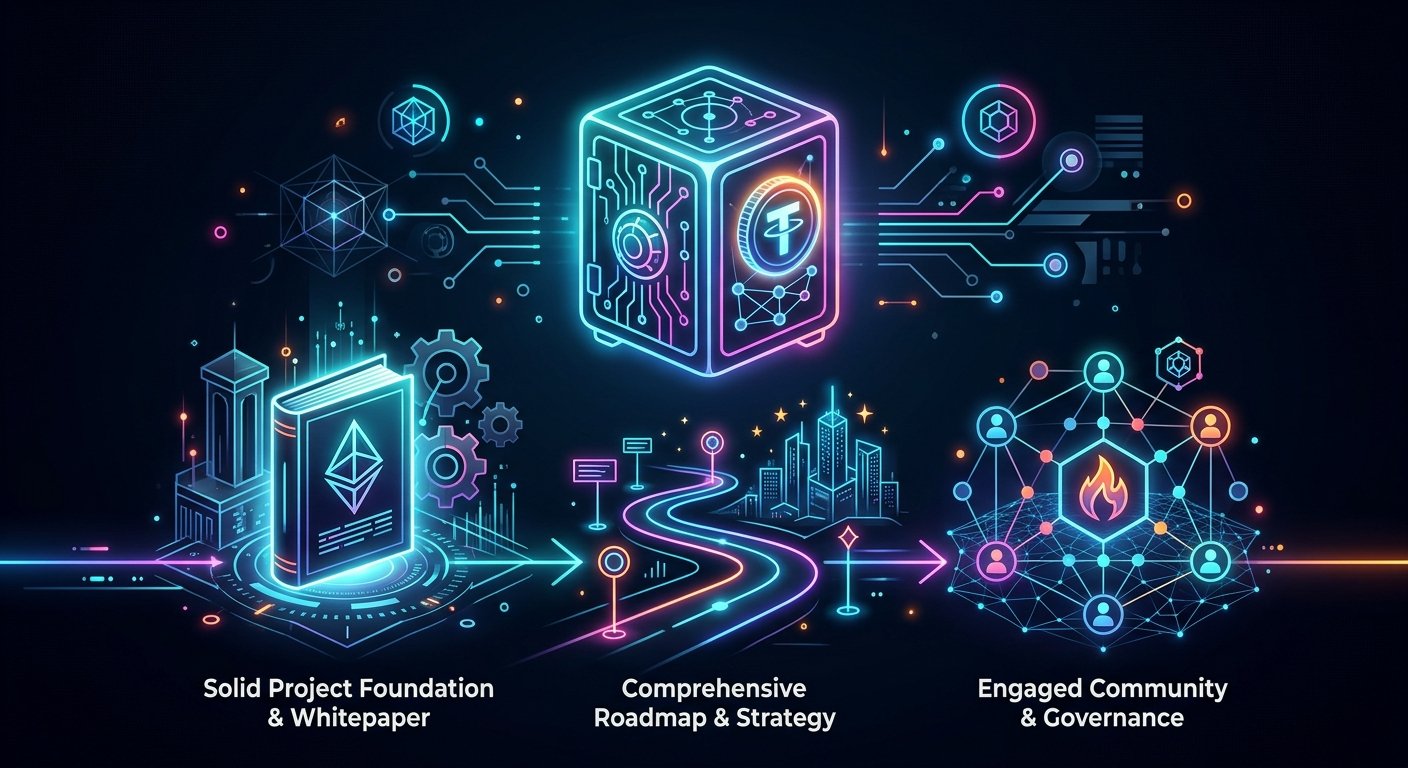
This guide assumes you already have the fundamentals in place. Your token exists, your legal structure is sorted, and you have a defined target audience. We’re not covering token design or regulatory compliance here.
What we will cover is the strategic marketing layer that separates successful launches from expensive failures. You should have at minimum a working community (even if small), some form of website or landing page, and clarity on your token’s utility or value proposition.
If you’re still in the “should we even launch a token?” phase, pause here. The strategies ahead won’t save a fundamentally broken token model. But if your fundamentals are solid and you need to understand how to position, distribute, and sustain momentum around your TGE, keep reading.
Myth 1: You Need Massive Influencer Budgets to Launch Successfully
The Myth: First-time founders often believe that throwing $100K at crypto influencers guarantees a successful token launch. They see other projects name-dropping their influencer partnerships and assume that’s the playbook.
Reality: The influencer game has fundamentally changed. What worked in 2021 doesn’t work now. Most paid influencer promotions deliver bot engagement and zero actual buyers. The average crypto influencer promotion generates less than 2% qualified traffic conversion, and that’s being generous.
Here’s what actually happens: You pay a mid-tier Youtube Crypto Influencer $5,000 for a sponsored video. It gets 50,000 views (half are bots). Maybe 200 people click through to your website. Of those, 10 join your Telegram. Three buy tokens. You just paid $1,666 per token buyer.
The influencers who actually move markets are either prohibitively expensive or don’t take paid promotions at all anymore. They’ve learned that shilling random projects damages their credibility. The ones still taking money? Their audiences know they’re paid placements and tune them out.
What Works Instead: The Organic Amplification Model
Focus your early budget on creating genuinely shareable content that influencers want to talk about organically. This means building narrative hooks: a controversial position, a unique technical innovation, or a counter-cultural brand that stands out.
Projects that succeed without massive influencer spend typically do three things right:
- Seed strategic community members early: Identify 20-50 highly engaged community members across Twitter, Telegram, and Discord. Give them real insider access, not generic airdrops. These become your organic amplifiers.
- Create controversy or novelty: The projects that go viral have a strong opinion or a genuinely new approach. Safe, generic messaging never breaks through. Look at how meme coins capture attention through pure cultural resonance, not paid promos.
- Micro-influencers over macro: Ten influencers with 5,000 real followers each will outperform one with 500,000 bot-inflated followers. Their engagement rates are higher, their audiences trust them more, and they cost 90% less.
From campaign data across multiple Web3 projects, organic community amplification consistently outperforms paid influencer posts by 3-5x in terms of qualified lead generation. The followers who convert are genuinely interested, not just farming airdrops.
If you do invest in influencers, prioritize Twitter crypto influencers who have demonstrated genuine project analysis in their content history. Skip anyone whose feed is 100% paid promotions. Their audience already knows the game.
Myth 2: Launch Day Is When Your Marketing Starts

The Myth: Many teams treat the TGE date as day one of their marketing campaign. They build in silence, then flip the switch and expect immediate traction.
Reality: By the time your token goes live, 80% of your marketing work should already be complete. Launch day is the culmination, not the beginning. The projects that explode on TGE day spent months building anticipation, educating their audience, and creating FOMO through strategic information release.
Think of token generation marketing like a movie release. Studios don’t drop a trailer the day the film hits theaters. They build momentum through teaser campaigns, exclusive reveals, influencer screenings, and carefully timed media coverage. Your token launch deserves the same strategic buildup.
The 90-Day Pre-Launch Framework
Here’s how successful launches actually structure their timeline:
Days 90-60 (Foundation Phase):
- Launch your core community channels (Telegram, Discord, Twitter)
- Begin educational content about your project’s problem/solution
- Start building your email list through waitlist signups
- Identify and begin conversations with relevant media outlets
- Create your content repository: explainer videos, articles, graphics
Days 60-30 (Anticipation Phase):
- Release your tokenomics breakdown and address common questions
- Begin strategic partnerships announcements to build credibility
- Start your ambassador or KOL (Key Opinion Leader) program
- Launch weekly AMAs to address community questions directly
- Create scarcity through whitelist access or early contributor programs
Days 30-7 (Acceleration Phase):
- Release final token utility details and purchase mechanisms
- Coordinate media coverage through a Crypto PR Agency for maximum reach
- Intensify social media activity with daily updates
- Host special events: Twitter Spaces, community contests, giveaways
- Release audit results and security confirmations
Days 7-0 (Launch Week):
- Daily countdown content across all channels
- Final logistics announcements (exact time, platforms, steps)
- 24/7 community moderation to handle influx
- Real-time updates on token availability and purchase process
According to ChangeNow’s analysis, projects that execute structured 90-day pre-launch campaigns see 4-7x higher first-week trading volume compared to those that market reactively after launch.
The mistake is thinking you can compress this timeline. Rushing a 90-day strategy into 30 days means your community hasn’t had time to understand your project, trust hasn’t been established, and there’s no organic word-of-mouth yet. You’re fighting an uphill battle from day one.
Myth 3: More Channels Equals More Reach
The Myth: Founders often try to be everywhere at once. They create accounts on Twitter, Telegram, Discord, Reddit, YouTube, TikTok, LinkedIn, Instagram, and Medium. Then they wonder why they’re overwhelmed and seeing minimal engagement anywhere.
Reality: Spreading thin across ten platforms delivers worse results than dominating two. Each platform requires different content formats, posting rhythms, and community management approaches. Most small teams simply don’t have bandwidth to execute well across multiple channels.
Worse, inactive or poorly maintained channels signal lack of professionalism. If your last YouTube video was six months ago and your Reddit has three posts, you’re telling potential investors you can’t maintain focus. That’s a red flag.
The Two-Platform Power Strategy
Pick two platforms based on where your specific audience actually congregates. Not where you think they should be, but where they demonstrably are. For most token launches, this means one real-time community platform (Telegram or Discord) and one broadcast platform (Twitter or YouTube).
| Platform Combination | Best For | Content Focus |
|---|---|---|
| Twitter + Telegram | DeFi protocols, meme coins, fast-moving communities | Real-time updates, quick announcements, viral content |
| Discord + Twitter | Projects with complex tech, developer communities | Organized discussions, technical support, structured channels |
| YouTube + Discord | Educational projects, long-form explainer content | Tutorials, deep dives, community workshops |
| Telegram + Reddit | Privacy-focused chains, decentralized communities | Long-form discussions, governance debates |
Notice what’s not on that list: trying to be everywhere. Instagram and TikTok can work for specific consumer-facing crypto projects, but they’re rarely the right primary channels for token launches. LinkedIn matters for B2B blockchain infrastructure, not retail token sales.
Once you’ve chosen your two platforms, staff them properly. Each needs at minimum one dedicated community manager who understands both the platform’s culture and your project deeply. They should be responding to questions within hours, not days. They should recognize regular community members by name. They should escalate technical questions to your team quickly.
After your launch stabilizes and you have dedicated resources, then consider expanding to a third platform. But not before. Doing two platforms excellently beats doing five platforms poorly every single time.
Myth 4: Token Utility Speaks for Itself
The Myth: Technical founders often believe that if the token utility is strong enough, the market will recognize it automatically. They focus entirely on building features and assume marketing is just “getting the word out.”
Reality: Nobody cares about your token utility until you make them care. The crypto market is saturated with technically sound projects that failed because they couldn’t translate complex utility into compelling narratives. Your job isn’t to list features. It’s to make people emotionally invested in why those features matter.
Think about successful consumer products. Apple doesn’t sell “1TB of storage and an A17 processor.” They sell “capture every moment in stunning detail.” The technical specs enable the benefit, but the benefit is what sells. Token generation marketing requires the same translation layer.
From Features to Stories: The Narrative Translation Framework
Here’s how to transform technical token utility into marketing narratives that actually resonate:
Step 1: Identify the Pain Point
Don’t start with your solution. Start with the problem your audience feels viscerally. What frustrates them about current systems? What inefficiency costs them money or time? What trust issue keeps them up at night?
Example: Instead of “Our token enables decentralized governance,” start with “You’re tired of centralized exchanges making unilateral decisions that tank your holdings.”
Step 2: Position Your Token as the Resolution
Now introduce your token as the direct answer to that pain point. Be specific about the mechanism, but frame it as empowerment, not technology.
Example: “Our governance token gives you actual voting power on exchange decisions. Not advisory input. Real binding votes on listing policies, fee structures, and treasury allocation.”
Step 3: Provide Social Proof
Show that others have already validated this solution. This could be early adopters, advisors, partners, or comparative examples from adjacent markets.
Example: “Over 2,000 token holders have already joined governance. Last month they voted to reduce trading fees by 15%, putting money directly back in traders’ pockets.”
Step 4: Create Urgency
Explain why acting now matters more than waiting. This isn’t fake scarcity. It’s logical reasoning about timing.
Example: “Early governance participants receive weighted voting power during our first six months. The earlier you join, the more influence you have in shaping our exchange’s future.”
Should You Emphasize Token Utility or Speculation?
✅ Emphasize Utility If:
- Your token has clear, immediate use cases (staking, governance, fee reduction)
- You’re targeting long-term holders and community builders
- Your project solves a specific DeFi or protocol problem
- You need regulatory defensibility (utility tokens have clearer legal standing)
❌ Emphasize Speculation If:
- Your token is purely a meme coin with no functional utility
- You’re targeting short-term traders looking for quick gains
- Your differentiator is cultural/community rather than technical
- You’re comfortable with higher volatility and regulatory risk
According to industry research on token marketing, projects that effectively communicate utility alongside potential appreciation perform better in both short-term launches and long-term retention.
The key is consistency. Your narrative framework should be reflected in every piece of content: your website copy, your whitepaper executive summary, your community announcements, your media pitches. When a potential buyer encounters your project on Twitter, then visits your website, then joins your Telegram, they should hear the same core story reinforced three different ways.
Many teams make the mistake of having technical documentation that contradicts their marketing messaging. Your developers write one thing in the whitepaper, your marketing team says something different on Twitter, and your community managers give yet another explanation in Telegram. This creates confusion and distrust.
Content Distribution Timing
Once you have your narrative framework solid, map out your content distribution calendar. You need different content types at different stages:
- Awareness Stage (60-90 days pre-launch): Blog posts, educational threads, explainer videos about the problem you’re solving
- Consideration Stage (30-60 days pre-launch): Detailed tokenomics breakdowns, comparison content, team AMAs
- Decision Stage (0-30 days pre-launch): Social proof, early adopter testimonials, security audit results, partnership announcements
- Post-Launch Stage: Usage tutorials, community highlights, roadmap updates, performance metrics
Too many projects dump all their content in the final two weeks before TGE. By then, it’s too late to build genuine understanding and trust. Spread your content strategically across the full 90-day window.
Myth 5: You Can Launch Without Professional Marketing Support
The Myth: Technical founders often believe they can DIY their token launch marketing. They’ve built the entire protocol themselves, so marketing should be simple by comparison, right?
Reality: Token generation marketing is a specialized discipline that combines traditional marketing, financial communications, community management, and crypto-native growth tactics. Trying to learn it while simultaneously launching your token is like trying to learn surgery while operating on yourself.
I’ve watched brilliant developers waste months creating mediocre marketing campaigns when they could have shipped product instead. The opportunity cost alone makes professional marketing support worth considering, even before factoring in the quality difference.
The ROI Math on Marketing Investment
Let’s break down real numbers. A quality Best Crypto Marketing Agency or specialized team typically charges $15,000-$50,000 for a 90-day token launch campaign. That includes strategy, content creation, community management, influencer coordination, and PR outreach.
Sounds expensive until you consider the alternative. DIY token launches typically see:
- 3-5x longer time to reach target community size
- 50-70% lower first-week trading volume
- Higher cost per acquisition due to inefficient ad spend and poor targeting
- Founder time diverted from product development (opportunity cost of $50K-$100K if you value your time properly)
The math favors professional support when you account for both direct costs and opportunity costs. A skilled marketing partner doesn’t just execute tactics. They bring pattern recognition from previous launches, media relationships you don’t have, and community management systems that prevent common disasters.
When DIY Makes Sense vs. When It Doesn’t
There are scenarios where handling marketing internally works:
- You have a team member with proven crypto marketing experience (not just traditional marketing)
- Your token is a community project with no budget for external support
- You’re launching a meme coin where authenticity matters more than polish
- Your project is targeting a tiny niche where you already have deep relationships
But professional support becomes necessary when:
- You’re raising significant capital and need institutional credibility
- Your technical complexity requires skilled translation for general audiences
- You’re targeting mainstream crypto users, not just your existing niche
- You’re competing in a crowded category (DeFi lending, DEXs, Layer 2s) where differentiation is critical
- You have partnerships or backers who expect professional launch execution
Marketing Budget Allocation for Token Launches
25%
20%
20%
15%
10%
10%
Notice how the budget prioritizes community and content over paid advertising. This reflects what actually works in token generation marketing. Your community is your distribution engine. Content is what gives them something worth sharing. Paid ads amplify, but they don’t create genuine interest from nothing.
Evaluating Marketing Partners
If you decide professional support makes sense, here’s what separates effective agencies from expensive mistakes:
Red Flags:
- They promise specific price targets or guaranteed returns
- Their case studies are all from 2021 or earlier (the market has fundamentally changed)
- They lead with influencer networks rather than strategy
- They can’t explain how they’ll measure success beyond vanity metrics
- They require 100% payment upfront with no milestones
Green Flags:
- They ask detailed questions about your token utility and target audience before proposing tactics
- They have recent case studies with specific, verifiable metrics
- They explain risks honestly and don’t overpromise
- They structure payments around milestones or performance metrics
- They have deep crypto-native knowledge (they understand DeFi, AMMs, liquidity dynamics)
Ask potential partners: “Walk me through how you’d position our token differently than our three closest competitors.” Their answer reveals whether they understand strategic differentiation or just execute generic tactics.
For projects looking to maximize credibility and reach, working with specialists like a Best Web3 Marketing Agency that understands both traditional marketing principles and crypto-specific growth tactics can be the difference between a launch that fizzles and one that captures sustained attention.
📋 TL;DR Summary
- Organic community building outperforms expensive influencer campaigns by 3-5x in qualified lead generation
- 90% of successful token launches execute strategic 90-day pre-launch marketing, not reactive post-launch campaigns
- Dominating two platforms beats spreading thin across ten; choose based on where your specific audience congregates
- Token utility requires narrative translation; technical features don’t sell themselves without emotional connection
- Professional marketing support pays for itself through higher launch volume, faster community growth, and founder time saved
Frequently Asked Questions
How much should I budget for token generation marketing?
Expect to allocate 8-15% of your total raise target toward marketing. For a project aiming to raise $5M, that means $400K-$750K in marketing spend across 4-6 months. This includes agency fees, content creation, community management, PR, and paid distribution. Projects that try to launch on less than $50K typically see poor results unless they have exceptional organic community advantages.
When should I start marketing before my TGE?
Start building awareness at least 90 days before your TGE date. The most successful launches begin community building and content distribution 120-150 days out. This gives time for SEO to kick in, for media relationships to develop, and for your community to grow organically. Trying to compress this into 30 days results in rushed execution and missed opportunities.
What metrics actually matter for measuring launch success?
Focus on: qualified community members (active participants, not just member count), email list signups, whitelist applications, first-week trading volume, token holder distribution (want to avoid whale concentration), and 30-day price stability. Ignore vanity metrics like Twitter followers, Telegram member counts, or YouTube views unless they correlate with actual token purchases.
Should I hire a meme coin marketing agency even for a serious DeFi project?
Only if your project has strong cultural elements or targets retail rather than institutional buyers. A Meme Coin Marketing Agency specializes in viral growth and community engagement tactics that work well for consumer-facing tokens. But if you’re building infrastructure or B2B protocols, you need partners who understand technical positioning and can communicate with sophisticated investors, not just create memes.
How do I know if my token launch marketing is working before TGE?
Track leading indicators throughout your 90-day build: community growth rate (aim for 10-15% week-over-week in final 60 days), engagement rate (percentage of community actively participating in discussions), whitelist signups versus target, media placements versus outreach efforts, and website traffic growth. If these metrics are trending positive, your launch will likely perform well. If they’re flat, you have time to adjust strategy before TGE.
Conclusion
Token generation marketing is where technical execution meets market psychology. You can build the most innovative protocol in crypto, but if you can’t translate that innovation into compelling narratives that make people want to participate, your TGE will disappoint.
The myths we’ve dismantled here represent the most expensive mistakes teams make: burning budgets on ineffective influencer campaigns, launching without proper buildup, spreading across too many platforms, assuming utility sells itself, and trying to DIY specialized marketing when they should be focused on product.
What actually works is strategic, early-stage planning that prioritizes community building over paid promotion, narrative clarity over technical jargon, and focused execution over scattered presence. The projects that succeed don’t have bigger budgets. They have clearer strategies, better timing, and partnerships with specialists who understand this unique market.
If you’re planning a token launch and want to avoid the common pitfalls that tank most TGEs, working with an experienced crypto marketing strategy partner can compress your timeline, improve your outcomes, and free you to focus on what you do best: building your protocol. The difference between a mediocre launch and an exceptional one often comes down to having the right expertise in your corner when millions of dollars are on the line.
ULTIMA’s token generation event gained massive visibility through strategic partnerships with 14+ leading crypto channels, reaching over 2 million potential investors during their critical launch phase. By coordinating exclusive AMAs, promotional content, and community takeovers across these channels, we generated pre-launch buzz that translated into 8,500+ wallet registrations within the first 72 hours. This multi-channel approach demonstrates how token generation marketing succeeds when you meet your target audience where they already are—in the communities they trust.
Featured on 14+ Crypto Channels


